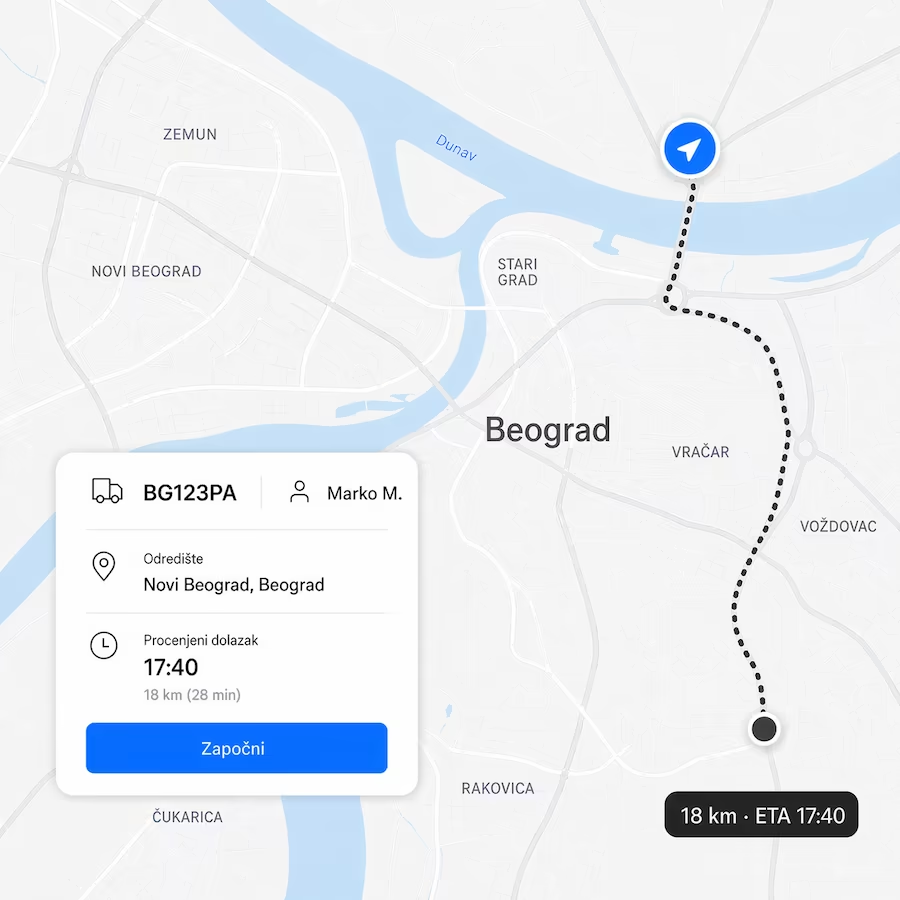
Transition from static to smart routes
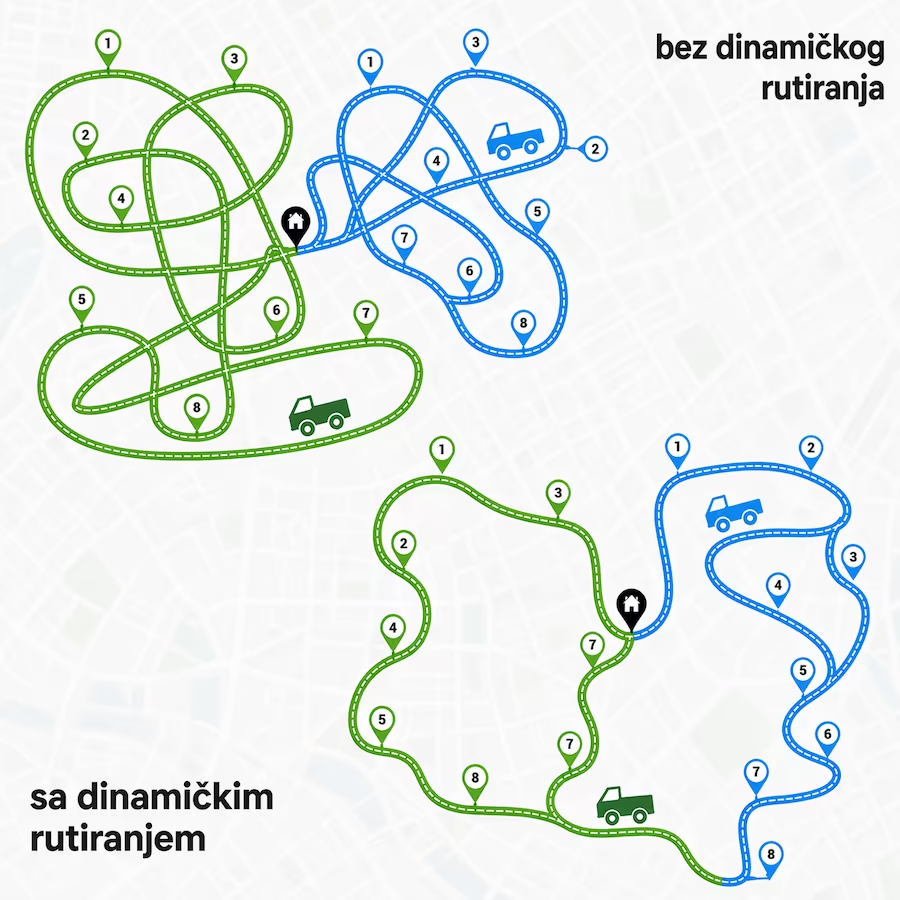
Faster distribution with measurable savings
Create optimal routes automatically in minutes instead of hours of manual work.
Reduce total mileage and the number of vehicles required for the same workload.
Significantly lower fuel consumption and a smaller carbon footprint for your fleet.
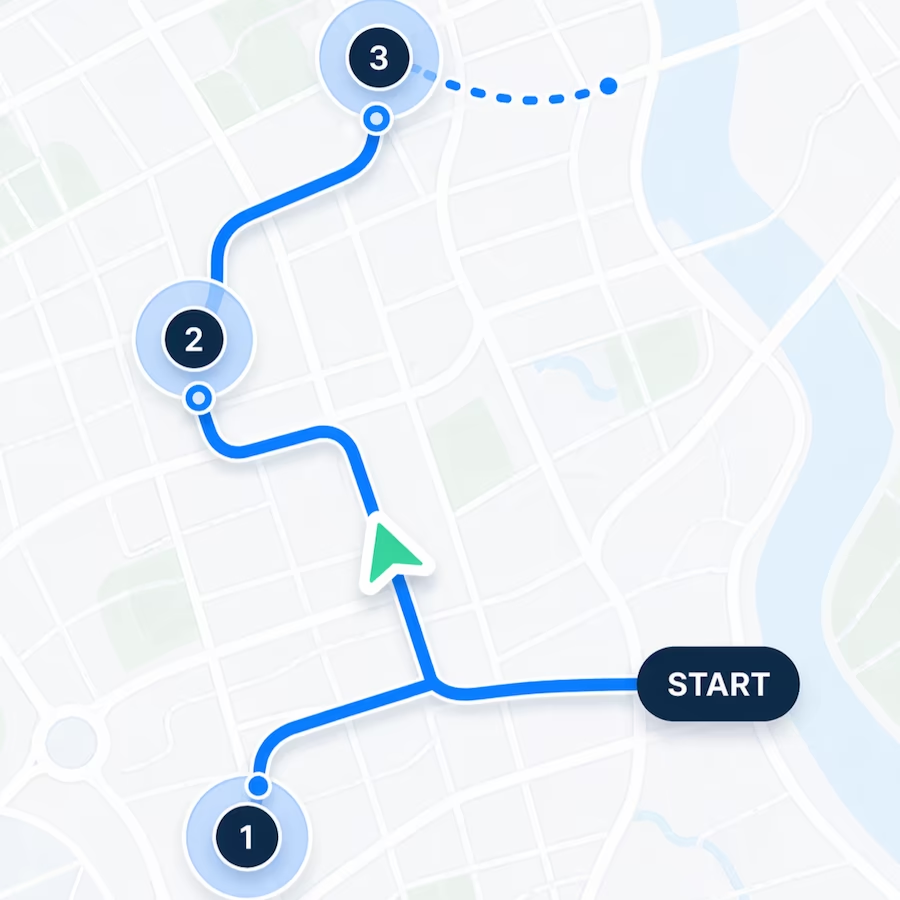
Smart routing according to your rules
Optimal routes according to real working conditions
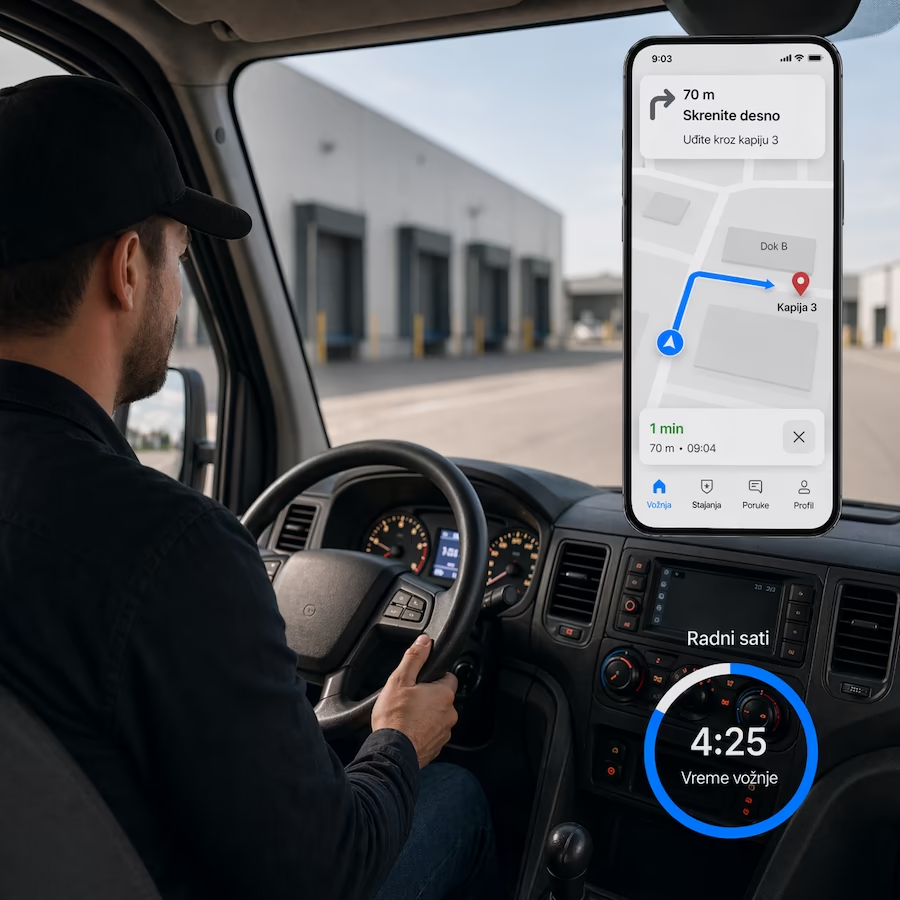
Send digital trip orders directly to the driver's mobile application.
Multi-point navigation that guides the driver from stop to stop without getting lost.
Quickly onboard new drivers without requiring prior territory knowledge.
From plan to execution
Control, integrations and navigation for drivers
Automatic order retrieval directly from your ERP or WMS system.
Align warehouse packing processes with the planned delivery routes.
Export plans for precise cost calculation and distribution performance analysis.
Core Features
Retrieving and preparing routing orders
Setting routing restrictions and rules
Starting dynamic routing and choosing optimization criteria
Review, analysis and manual correction of routes
Plan export and integration with ERP/WMS processes
Multi-point navigation and digital trip orders
Vehicle management for routing purposes
Frequently Asked Questions
MobTrack24 Dynamic Routing is designed for companies that plan a large number of deliveries, visits, service calls, or field tasks every day and want to reduce the number of vehicles used, distance traveled, and total time spent in the field. Without dynamic routing, routes often overlap, vehicles cover unnecessary kilometers, and fleet capacity is not used efficiently enough. The system automatically assigns locations to vehicles and creates logical routes, allowing the work to be completed with less empty running, shorter movement, and better vehicle utilization. For successful implementation, the company needs well-organized basic data and must meet certain operational requirements.
Not completely. AI and algorithms help propose optimal or improved route options, but the user can still review, verify, and adjust the plan if needed. This is important because companies often have rules and exceptions the system needs to respect — for example, customer priorities, specific deadlines, type of goods, driver experience, or internal organizational rules.
It is true that with dynamic routing, drivers do not always drive the same fixed routes they are used to. However, MobTrack24 Dynamic Routing makes this transition easier through clear route plans, route review and correction, plan export, and integration with ERP and WMS systems. A particularly important role is played by MobTrack24 Navigator, which serves as a digital work order for the driver and provides multi-point navigation to every delivery location. The application guides the driver precisely to each location and can use traffic congestion data, so the driver does not have to rely only on habit or previous experience with a specific territory.
Da. MobTrack24 Dinamičko rutiranje i MobTrack24 Navigator značajno olakšavaju uvođenje novih vozača u rad, jer vozač ne mora unapred da poznaje teritoriju, kupce ili ustaljene rute. Sistem mu daje jasan redosled obilazaka, digitalni putni nalog i navigaciju do svake lokacije. To je posebno važno u uslovima kada je teško pronaći iskusne vozače na tržištu rada, jer kompanija može brže da uključi nove vozače u operativni proces, uz manji rizik od grešaka, kašnjenja i neefikasnog kretanja.
In dynamic routing, AI and advanced heuristic methods help the system find good route options among a large number of possible combinations. The system takes into account locations, quantities, vehicle capacities, working hours, time windows, restrictions, and other business rules. Based on this, it proposes routes that can reduce distance traveled, time spent in the field, the number of vehicles used, and operating costs.
For dynamic routing to deliver strong results, the company needs well-organized basic data and a clearly defined way of working. This includes accurate customer or location addresses, known quantities of goods or workload, available vehicles, vehicle capacities, working hours, delivery time windows, and planning rules. Another important requirement is the company’s willingness to adapt its operational organization, especially the start of the goods packing process, so that packing and delivery preparation are aligned with the routes optimized by the system. When the data is accurate and the operational process is adapted to dynamic planning, the system can significantly reduce the number of required vehicles, total mileage, delivery time, and operating costs.