Real-time DTC diagnostics — predictive maintenance without unplanned downtime
MobTrack24, along with Teltonika CAN-CONTROL + DTC modules and professional Teltonika trackers (FMx6 series), enables the reading of diagnostic error codes (DTC) and key CAN parameters directly from the vehicle. Active errors and warnings are available immediately, while error history reveals recurring problems — so you resolve failures proactively, before they turn into downtime or costly intervention.
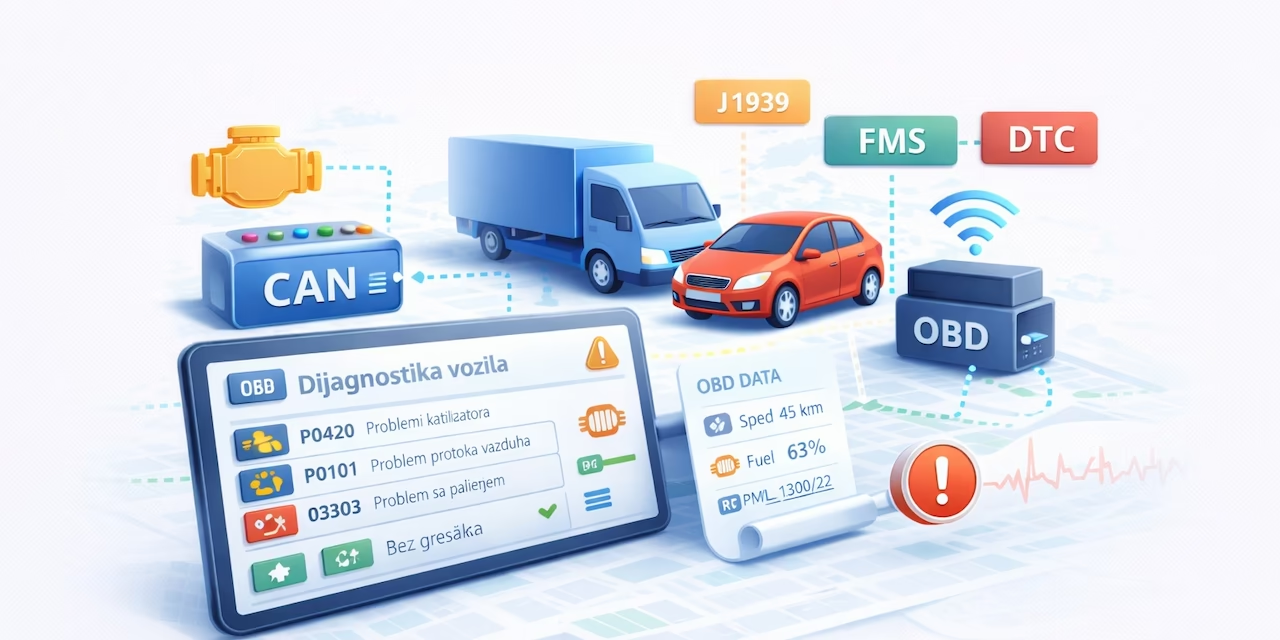
The system reads DTC and CAN data for quick diagnostics and maintenance planning.
Predictive maintenance in practice: earlier failure detection, less downtime and better control of fleet costs.
Real-time detection of active faults (DM1 / current problems)
Instead of relying only on dashboard lights, the system recognizes active diagnostic messages in real time and gives a clear signal when the fault is critical and when a service can be planned
Error history and patterns (DM2 / previously active errors)
In addition to current faults, MobTrack24 also records previously active faults. This enables the identification of recurring and "intermittent" problems that are difficult to catch in the workshop, but often precede more serious failures.
Flexible processing and integration (raw codes or decoding)
DTC messages can be displayed as "raw" codes (hexadecimal) identical to service tools, or decoded into understandable descriptions. This gives you complete flexibility: from internal service and external partners, to integration with ERP/WMS/TMS and service processes.
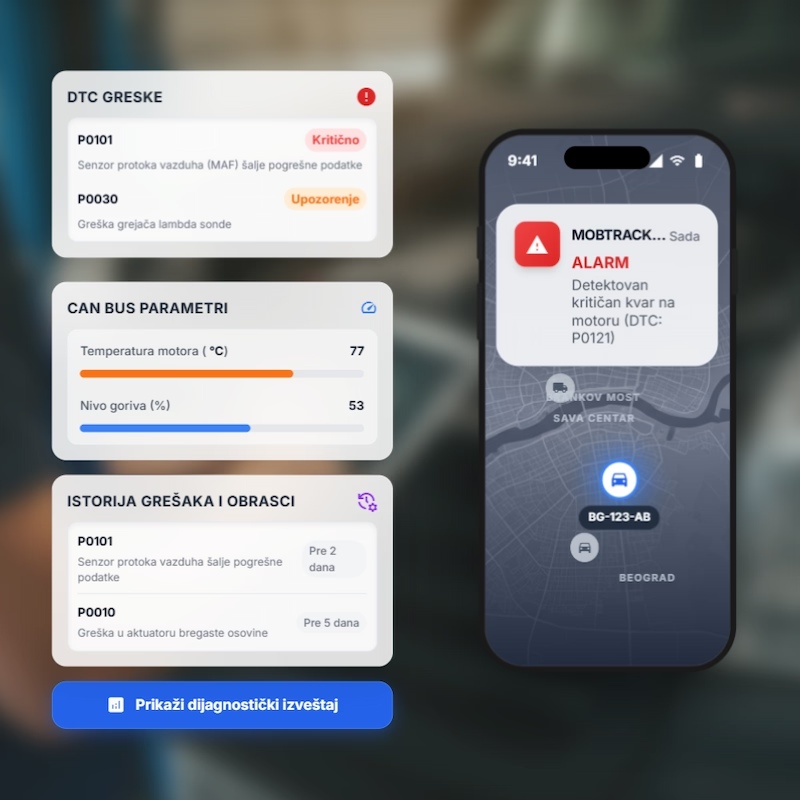
Result
Less unplanned downtime, faster service decisions and greater fleet reliability through predictive maintenance.
Key Benefits
Predictive maintenance
Early signals and trends allow service planning before the breakdown escalates.
Faster diagnostics and better service preparation
The service receives information in advance — less time for "guessing", faster troubleshooting.
Reduced downtime and more stable fleet capacity
Easier planning of replacement vehicles, routes and service appointments — fewer operational surprises.
Cost control and standardized data
Fewer costly breakdowns, more control over maintenance and processes through standardized telematics.