Planning field activities through clearly defined zones
MobTrack24 FSM enables field work planning to be based on clearly defined zones, task types, teams, and work statuses. The solution is designed for companies that want to organize field activities in a clear, precise, and operationally sustainable way, especially when a larger number of field workers operate across different locations and territorial units. Zones can be defined through different spatial entities, and tasks can then be linked to territory, activity type, and responsible field workers. In this way, work planning evolves from partial organization into a structured digital process that simplifies task allocation and creates a solid foundation for the later execution, supervision, and analysis of field activities.

MobTrack24 FSM enables field activity planning to be based on clearly defined zones, task types, teams, and work statuses, so that the organization of field work remains transparent, precise, and operationally sustainable.
When territory, tasks, and field workers are properly connected within a single system, the company gains better work allocation, less operational chaos, and a solid foundation for efficient execution, supervision, and the further improvement of field activities.
Defining zones as the foundation for organizing field work
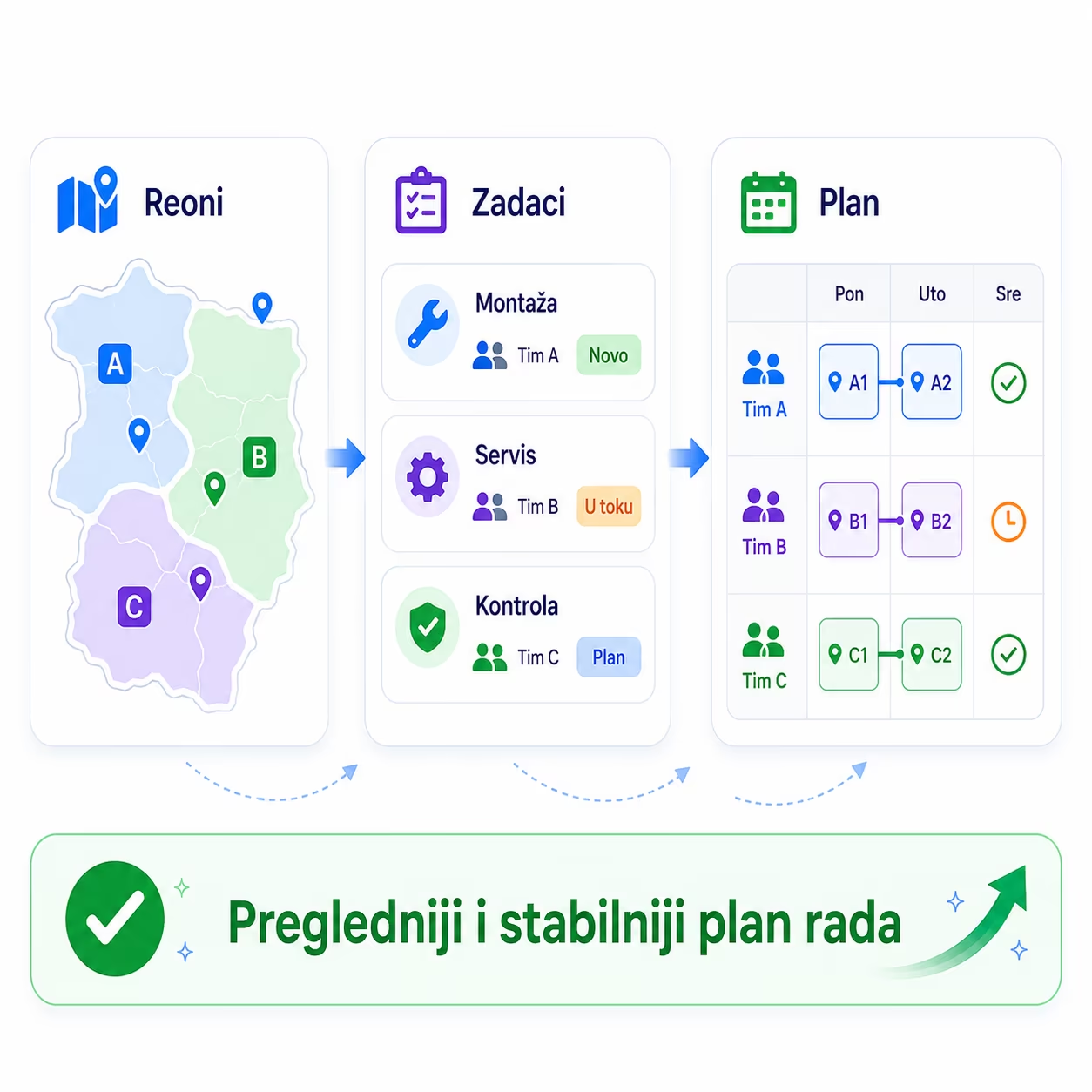
The system allows zones to be defined through different spatial units, such as municipalities, statistical areas, and the address system. This allows field activities to be organized in line with the geographic logic of the business, making territory coverage easier, supporting a more balanced distribution of responsibilities, and improving work preparation before teams go into the field.
Creating tasks by activity type, team, and work status
MobTrack24 FSM enables the definition of task types, campaigns, statuses, teams, and other elements required for precise planning of field activities. Tasks are then assigned to workers or crews and linked to the appropriate execution territory, creating a clear and controlled foundation for organizing field work.
A structured operational plan before execution begins
When zones, tasks, and field workers are clearly defined in the system, management gains a transparent operational plan for organizing daily, periodic, or campaign-based activities. This reduces dependence on improvisation, verbal coordination, and disconnected records, turning work planning into a stable and reliable part of the overall field operations management process.
Result
The company gets a clear and territorially organized field activity plan, with more transparent task allocation, better territory coverage, and a reliable foundation for efficient execution and supervision of field work.
Key Benefits
Clear territorial organization of work
Zones become the basis for a logical, transparent, and sustainable distribution of field activities.
More precise planning of tasks and field workers
Tasks are linked to the activity type, work status, team, and execution territory.
Less operational improvisation
Planning takes place through a structured digital process instead of partial records and manual coordination.
A stronger foundation for execution and control
A well-structured work plan makes it easier to monitor execution later and analyze performance by zone.