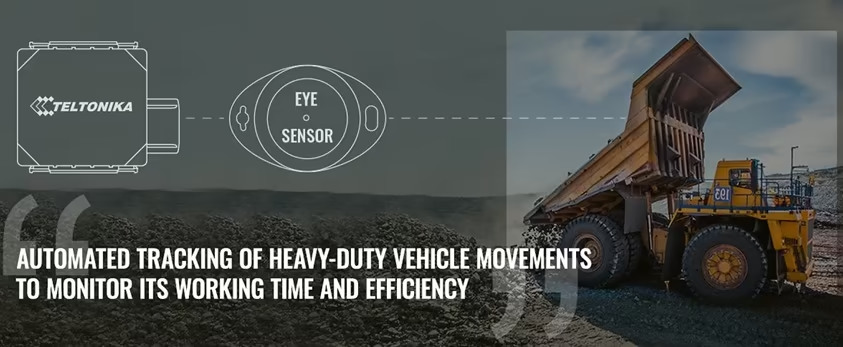
In the case of heavy mechanization, the presence of the machine at the location does not mean that the work has actually been done. A key problem is the lack of precise data on how much the machine actually worked, how much time it spent idling, and whether it was used in permitted work zones. When idling is a significant part of the total operation, the consequences are higher fuel consumption, lower productivity, faster depreciation and less cost control. An additional risk arises when working organs are activated in unauthorized or risky areas, as well as when there is no reliable basis for analyzing the performance of machines and operators.
Work and activity measurement solution
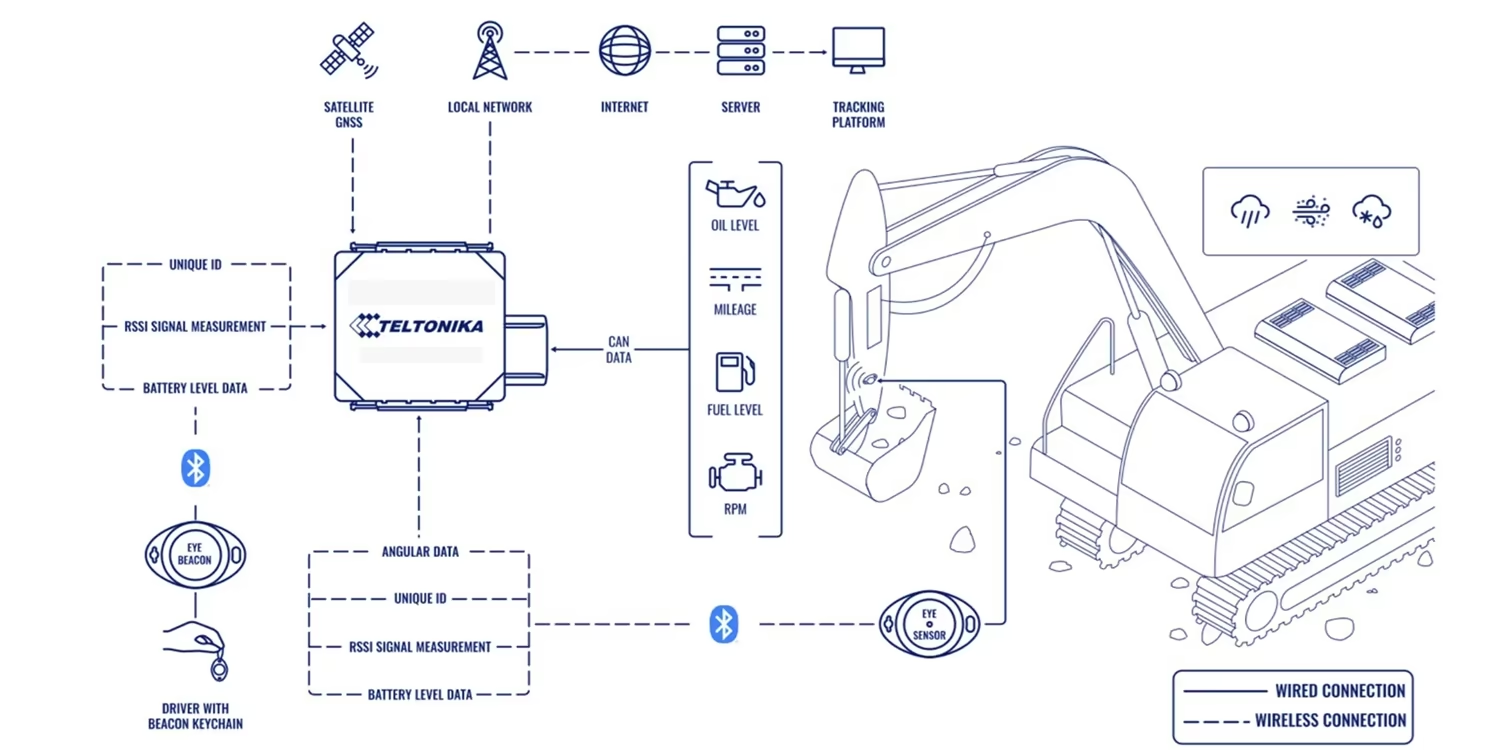
MobTrack24 solves this challenge by combining a fleet management platform with high-end professional devices, CAN bus processor and Bluetooth EYE sensors. This architecture enables the detection of angular movements and work activities on various types of equipment, including excavator arms, hydraulic containers, concrete rotators, plows, graders, harvesters and other specialized machinery. The system distinguishes effective work from idling, records the duration of activity, associates work with a specific machine and operator, and monitors the use of equipment within defined geozones. When the working organ is activated outside the permitted zone or in the risk area, it is possible to generate an alarm and react immediately.
Body image caption
Operational and security benefits of the solution
The implementation of such a solution allows companies to base the management of heavy machinery on actual operating data, rather than on estimates. This brings more accurate recording of the work of machines and drivers, a clearer distinction between effective engagement and idling, and better control of fuel consumption and overall costs. The system additionally increases safety because it recognizes the operation of equipment in unauthorized and risky zones, and also helps in detecting unplanned or suspicious use of machinery. The result is higher utilization of equipment, a higher level of operator responsibility, more reliable reporting and a better basis for planning, control and optimization of work on the project.
Share:
Fleet ManagementMobTrack 24